Do Gamers Really Need a VPN? Let's Talk About Reducing Latency and Preventing DDoS Attacks
2026-10-08 · shanlian
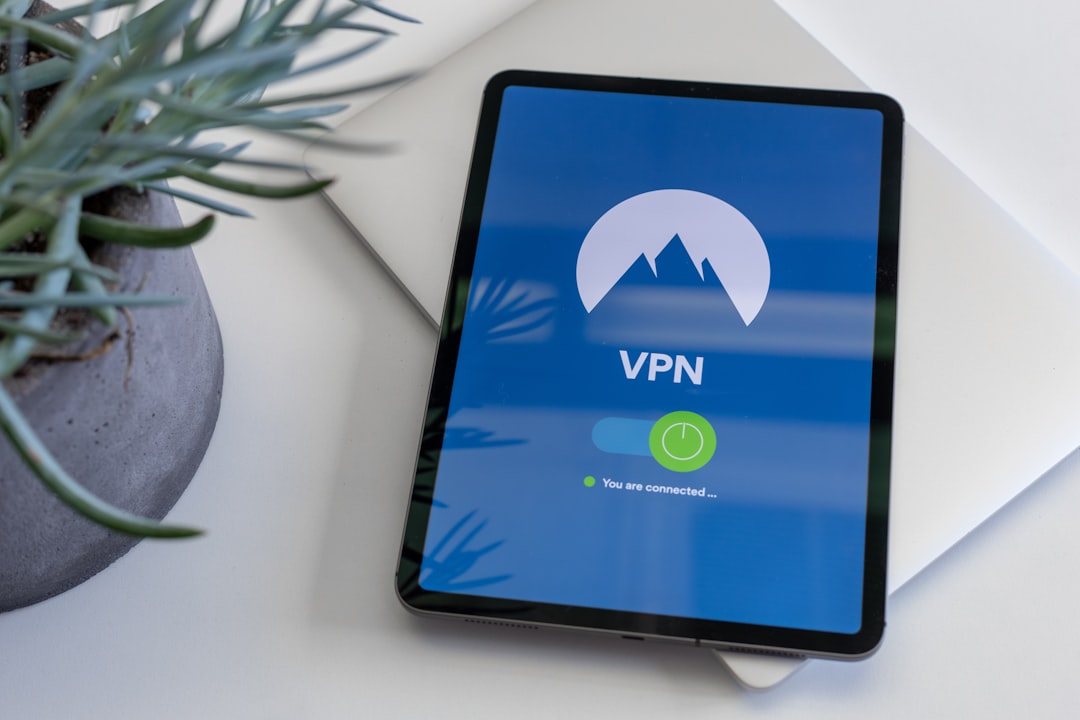
When your game suddenly turns into a slideshow, or you disconnect at the worst possible moment in a ranked match, it drives anyone crazy. Most players' first instinct is to blame their ISP, and their second is to swap out the router. But have you ever considered that the problem might be the routing path itself? That's where a VPN comes in.
But don't rush out to buy one just yet — a VPN isn't a magic bullet. It helps, but it depends on how you use it and what games you play. Let's break it down.
Can a VPN Reduce Latency? Let's Understand the Basics First
When you connect to a game server, your data packets have to travel through a chain of routers. The more hops and detours along the way, the higher your latency climbs. This is especially true when playing on overseas servers — say, connecting from Asia to NA or EU servers — where a single congested node can send your ping through the roof.
A VPN gives you an alternate route. It sends your traffic to its own server first, then forwards it to the game server through a dedicated line. If the VPN's route is shorter and more stable than your default path, latency drops.
But here's the catch: it's not guaranteed. Some VPN servers are far away or lack bandwidth, which can actually slow you down. Choosing the right node is critical. Tools like lightxtreme VPN typically offer multiple routes to choose from, letting players manually run speed tests and pick the one with the lowest latency.
Also, latency isn't just about speed — it's about stability. Packet loss and jitter are far worse than high ping. A good VPN route can reduce interference from intermediate nodes and keep your data packets flowing more consistently.
DDoS Protection: This Is No Exaggeration
If you're a streamer, or you've ticked off the wrong people in certain games, you might find yourself on the receiving end of a DDoS attack. Attackers flood your IP address with garbage traffic, saturating your bandwidth until your game disconnects entirely.
These attacks are cheap to launch — there are even services online selling "server takedowns." Once you're targeted, changing your IP won't happen fast enough.
This is where a VPN helps by hiding your real IP. The game server only sees the VPN's IP, and attackers can't get your real address, so they can't hit you directly. lightxtreme VPN replaces your public IP upon connection, essentially giving you a cloak of anonymity.
Of course, this isn't absolute protection. If attackers target the VPN server itself, you'll still feel the impact. But at least your home broadband won't be affected — just switch to another node and keep playing.
Which Players Actually Need a VPN?
Not everyone does. If you play on domestic servers with a stable connection and normal latency, there's no need to bother. But a VPN can help in these situations:
- Playing on overseas servers with high direct-connection latency and severe packet loss
- Frequently targeted by DDoS attacks, or worried about IP exposure
- Wanting to unlock game content or test servers from certain regions
- Campus or corporate networks that restrict gaming ports
Here's a public case worth noting: in 2023, a professional player in a popular FPS game was hit by a DDoS attack during a livestream and was forced offline. He only restored his stream after hiding his IP through a VPN (source: public reports). This shows that IP exposure is a real risk.
Things to Keep in Mind When Gaming With a VPN
First, don't cheap out on a free VPN. Free routes are often heavily oversold, with latency fluctuating wildly, and they might even sell your data on the side. Unstable connections are the last thing you want in gaming — saving a few bucks isn't worth it.
Second, protocol choice matters. WireGuard and UDP protocols are generally better suited for gaming than TCP because of their higher transmission efficiency. lightxtreme VPN supports multiple protocols, so you can switch between them in the settings and see what works best.
Finally, don't expect a VPN to defy physical distance. If you're in Asia connecting to a NA server, even at light speed, going halfway around the globe takes time — latency won't drop to single digits. What a VPN can do is optimize the route, not teleport your data.
If you frequently play on overseas servers, or want an extra layer of protection for your IP, give lightxtreme VPN a try. Run a speed test first, then pick your node, and find the route that works best for you. In gaming, stability matters more than speed.
享受无限、高速和安全的浏览!立即保护您的隐私!
Get lightxtreme VPN